

Most basement problems do not begin with dramatic flooding that turns the lower level into an accidental indoor swimming pool overnight. They usually start quietly. A damp smell that lingers after rain. Small stains near corners. Tiny cracks along the basement walls. At first, these warning signs seem minor enough to ignore.
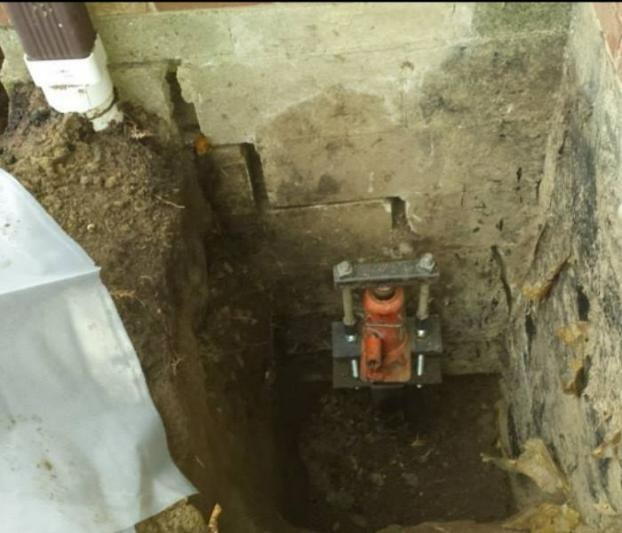
Unfortunately, moisture problems tend to grow slowly behind the scenes. Water intrusion, poor drainage, shifting soil, and aging materials can gradually affect structural stability, air quality, and long-term property value. By the time severe damage becomes obvious, repairs are often much larger and more expensive than expected.
Many homeowners begin researching solutions after noticing unusual moisture changes around the property. Resources on interior basement waterproofing systems in Fort Wayne can help property owners better understand modern waterproofing methods and the early warning signs of hidden basement moisture issues.
One important detail many people overlook is that basement moisture rarely stays isolated. Small leaks and damp conditions often spread into larger structural and air quality concerns if left untreated for too long.
Why Small Moisture Problems Usually Grow Worse
Minor basement moisture issues rarely disappear on their own because the conditions causing the problem continue daily. Water keeps entering vulnerable areas. Soil pressure continues building outside the foundation. Humidity remains trapped in enclosed spaces.
A small crack may slowly widen during seasonal weather changes. Tiny leaks can gradually allow moisture into hidden spaces behind walls or beneath flooring. Over time, repeated exposure weakens materials and increases the risk of mold growth.
Many homeowners focus only on visible symptoms rather than the underlying issue. Painting over stains or cleaning surface moisture may temporarily improve appearance, but the source of the water often remains active behind the scenes.
Water has incredible patience. It quietly keeps working until something eventually gives in.
Warning Signs You Should Never Ignore
Several warning signs may indicate that moisture intrusion or waterproofing issues are already developing.
Watch for problems such as:
- Damp or musty odors
- Water stains near the basement corners
- Cracks in basement walls or floors
- Visible mold growth
- Peeling paint or bubbling surfaces
- Condensation on walls or pipes
- Uneven flooring above the basement
- Increased indoor humidity
These symptoms do not always indicate that severe structural failure is imminent, but they should absolutely be inspected before conditions worsen further.
Moisture Creates Bigger Problems Over Time
Water intrusion affects far more than just the basement’s appearance. Excess moisture may weaken wood framing, damage drywall, affect insulation, and contribute to unhealthy indoor air conditions.
Poor drainage around the property often allows water to collect near foundation walls instead of flowing safely away. Over time, hydrostatic pressure builds against basement walls and forces moisture through weak points in the structure.
Heavy rain seasons can quickly worsen existing vulnerabilities. Even small leaks sometimes create hidden moisture buildup that continues spreading behind finished walls and flooring.
That is why waterproofing systems matter so much. They help manage water before it leads to larger structural and air-quality concerns.
Temperature Changes Also Affect Basement Structures
Changing temperatures place additional stress on foundation materials throughout the year. Heat causes expansion while colder conditions create contraction. This repeated movement slowly affects vulnerable basement walls and flooring.
Older properties often experience these shifts more noticeably because materials naturally weaken after decades of exposure to moisture and seasonal weather patterns.
Even properly built basements eventually experience wear if surrounding drainage conditions continue creating pressure outside the foundation.
Why Early Inspections Matter
Early inspections help identify moisture concerns before they spread into much larger repair projects. Professionals typically evaluate drainage conditions, humidity levels, visible cracking, water intrusion points, and structural movement to determine the root cause of the problem.
The goal is not simply drying out visible moisture. Effective waterproofing focuses on preventing future intrusion while protecting the structure in the long term.
Many homeowners researching interior basement waterproofing systems discover that acting early often leads to simpler repair solutions and lower overall costs.
Common Causes Behind Basement Moisture Problems
Several conditions commonly contribute to water intrusion and basement damage over time.
Poor Drainage
Improper drainage allows water to collect near foundation walls instead of moving safely away from the structure.
Foundation Cracks
Small cracks can allow moisture to seep gradually into basement spaces during wet conditions.
Aging Waterproofing Materials
Older waterproofing systems naturally weaken after years of exposure to moisture and pressure.
Soil Expansion and Contraction
Changing moisture conditions cause soil movement that repeatedly stresses basement walls.
Simple Prevention Steps That Help
Preventive maintenance can greatly reduce the risk of major basement waterproofing repairs later.
Helpful habits include:
- Cleaning gutters regularly
- Directing water away from the property
- Monitoring basement humidity
- Scheduling inspections after major storms
- Sealing small cracks early
- Improving airflow in lower-level spaces
Small maintenance efforts today often prevent much larger repair projects tomorrow.
Helpful Government Resources for Property Safety
Homeowners looking for additional information about moisture control and building safety can review educational resources provided through the Environmental Protection Agency at https://www.epa.gov/mold. Their materials offer valuable guidance related to mold prevention, indoor air quality, and moisture management.
Staying Proactive Protects Long-Term Value
Many homeowners postpone basement repairs because they worry about inconvenience or cost. Ironically, delaying action often allows moisture problems to spread further and become significantly more expensive later.
The encouraging news is that modern waterproofing systems continue to improve. Today’s repair methods help professionals manage moisture more efficiently while reducing disruption and improving long-term structural protection.
Homeowners who stay proactive often put themselves in a much stronger position to protect both their property and their peace of mind.
Conclusion
Basement moisture problems rarely improve without attention. Water intrusion, shifting soil, and structural pressure often continue affecting vulnerable areas until repairs become unavoidable. Paying attention to early warning signs helps protect both safety and long-term property value.
If you have noticed damp smells, basement moisture, cracks, or other warning signs around your property, contact Fort Wayne Basement Waterproofing Experts. Their team can evaluate conditions, explain waterproofing options, and provide professional solutions designed to help protect your basement and property for years to come.