

Crawl spaces play an important role in supporting homes throughout Delaware. However, these areas are often exposed to moisture from the surrounding soil, humidity, and seasonal weather changes. Because crawl spaces sit close to the ground, they are more vulnerable to damp conditions that can affect structural components and indoor air quality. Over time, moisture buildup can lead to mold growth, wood deterioration, and uneven floors.
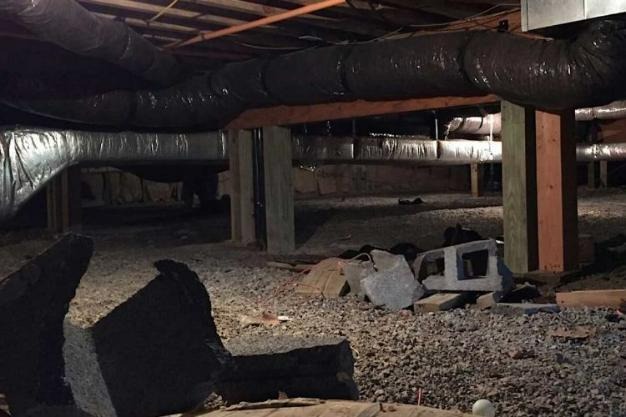
Homeowners may begin noticing musty odors, increased humidity, or sagging floors inside the home. These warning signs often point to moisture issues beneath the structure. Crawl Space Encapsulation helps control humidity by sealing the crawl space and creating a dry environment. Addressing moisture problems early helps protect the home and prevent long-term damage.
Understanding how encapsulation works and when it is needed allows homeowners to take proactive steps. Choosing crawl space encapsulation in Delaware helps ensure crawl spaces remain dry and continue to support the home effectively through proper moisture control.
Why Crawl Spaces in Delaware Are Prone to Moisture
Crawl spaces are naturally vulnerable to moisture because they are located directly above the soil. In Delaware, frequent rain and high humidity can increase moisture levels beneath homes. When soil becomes damp, moisture can rise into the crawl space. This creates humid conditions that affect structural materials.
Open vents can also allow humid outdoor air to enter the crawl space. When warm air meets cooler surfaces, condensation may form. Over time, this moisture can accumulate and create damp conditions. Poor drainage around the foundation can worsen the problem by allowing water to collect near the crawl space.
Crawl Space Encapsulation helps prevent these issues by sealing the space. Blocking outside air and ground moisture helps maintain consistent humidity levels.
Warning Signs of Crawl Space Moisture Problems
Moisture problems often develop gradually. Recognizing early warning signs helps homeowners address issues before damage worsens. Many indicators appear inside the home.
Musty odors are one of the most common signs. These smells often originate from damp crawl space conditions. Homeowners may also notice increased humidity indoors. Floors may begin to feel uneven or soft in certain areas.
Warped flooring, mold near baseboards, or higher energy bills may also indicate moisture problems. These symptoms suggest humidity is affecting structural components. Addressing crawl space conditions early helps prevent further deterioration.
How Crawl Space Encapsulation Works
Encapsulation involves sealing the crawl space to control moisture and humidity. This process typically includes installing a vapor barrier across the floor and walls. The barrier blocks moisture from rising through the soil. Sealing vents and openings also helps prevent humid air from entering.
Once sealed, the crawl space becomes a controlled environment. This reduces humidity and helps protect structural components. Maintaining dry conditions helps prevent mold and wood damage.
Crawl Space Encapsulation provides a long-term moisture-control solution. By sealing the area, homeowners reduce the risk of recurring problems.
Controlling Humidity and Preventing Mold
Excess humidity in crawl spaces can lead to mold growth. Mold thrives in damp environments and can spread quickly. Even small amounts of moisture can create conditions where mold develops. This may affect indoor air quality throughout the home.
Encapsulation helps reduce humidity by sealing the crawl space. Lower humidity levels make it harder for mold to grow. Dry conditions also help prevent musty odors. Maintaining a sealed crawl space supports healthier indoor air.
Reducing moisture also protects stored items and structural materials. Dry conditions help maintain the integrity of the home.
Protecting Structural Components
Moisture can weaken wooden beams and floor supports. Over time, damp conditions may cause wood to warp or deteriorate. This can lead to uneven floors and structural misalignment. Left untreated, damage may worsen.
Encapsulation helps keep structural components dry. By controlling humidity, materials remain stronger and more stable. This helps maintain the integrity of the home.
Crawl Space Encapsulation supports long-term stability by preventing moisture damage. Dry crawl spaces help preserve structural performance.
Improving Energy Efficiency
Moist crawl spaces can affect energy performance. Humid air beneath the home may enter living spaces, making cooling and heating less efficient. This can increase energy usage and reduce comfort.
Encapsulation helps create a controlled environment beneath the home. Reducing humidity helps maintain consistent indoor temperatures. This may improve energy efficiency over time.
Dry crawl spaces also help insulation perform better. Improved insulation supports better temperature control. This contributes to overall home comfort.
Long-Term Benefits of Crawl Space Encapsulation
Encapsulation provides several long-term advantages for homeowners. Once moisture is controlled, crawl spaces remain dry and stable. Homeowners often notice improved air quality and reduced humidity.
Dry conditions help protect flooring and structural materials. Encapsulation may also reduce maintenance needs. By preventing moisture problems, homeowners avoid costly repairs.
Crawl Space Encapsulation is often considered a proactive investment. It supports long-term durability and improves overall home performance.
When to Consider Crawl Space Encapsulation
Homeowners should consider encapsulation when signs of moisture appear. Musty odors, humidity, and uneven floors often indicate crawl space issues. Early action helps prevent structural damage.
Encapsulation may also benefit homes with frequent humidity problems. Properties in areas with heavy rainfall often require additional moisture protection. Professional evaluation helps determine the best solution.
Taking action early helps maintain structural stability. Encapsulation works best before major damage occurs.
Conclusion
Crawl spaces in Delaware homes are vulnerable to moisture from soil, humidity, and seasonal weather. Excess moisture can lead to mold growth, wood deterioration, and uneven floors. Recognizing warning signs early allows homeowners to take proactive steps.
If you’re noticing musty odors, humidity, or uneven floors, it may be time to evaluate your crawl space. The experienced team at Delaware Basement Waterproofing provides professional solutions designed to control moisture and protect your home. Contact Delaware Basement Waterproofing today to learn how crawl space encapsulation can help keep your property dry and comfortable.